Brief Information About Lipomatic
Type of Anaesthesia
Local or general anaesthesia.
Surgery Time
1-3.5 hours

Length of Hospital Stay
1 night.

Recommended Stay in Istanbul
3–7 days.

Return to Social Life
5–7 days.
What Is Lipomatic?
How Is It Different from Traditional Liposuction?
In Which Situations Is Lipomatic Preferred?
Who Is a Good Candidate for Lipomatic?
Preoperative Evaluation and Planning
How Is Lipomatic Performed? (Vibration-Assisted System and Treatment Areas)
Postoperative Process, Stay in Istanbul and Follow-Up Visits
Compression Garment, Swelling, Bruising and Daily Life
Possible Risks and Complications of Lipomatic
Lipomatic Results and Managing Expectations
Planning for International / Out-of-City Patients (Stay in Istanbul)
Frequently Asked Questions About Lipomatic
1. What Is Lipomatic?
Lipomatic is a power-assisted fat removal system based on the principles of traditional liposuction, but using a vibration (nutational) movement.
In this method:
- Specially designed cannulas move in vibration / circular patterns with the help of a device,
- This movement helps loosen the fat tissue while respecting the surrounding tissues as much as possible,
- The loosened fat is then suctioned out of the body through the same system.
The goal is to reduce localised fat deposits and achieve more balanced, natural-looking body contours. Lipomatic is not a weight-loss operation; it is a body contouring procedure.
2. How Is It Different from Traditional Liposuction?
The main difference between Lipomatic and traditional liposuction lies in how the fat is separated from the tissue and the technology used:
- In traditional liposuction, fat is mechanically broken up and suctioned by the manual back-and-forth movement of the cannula.
- In Lipomatic, the cannula is driven by a device that creates nutational / vibrating movements, loosening the fat tissue and suctioning it at the same time.
With this system:
- The surgeon may be able to remove fat more evenly and in a more controlled way in some areas,
- The vibration-assisted system can reduce the surgeon’s manual effort, especially in larger treatment areas,
- It may contribute to achieving a smoother contour in suitable patients.
However, Lipomatic is still a surgical technique within the liposuction family and requires the same level of surgical precision and experience as traditional liposuction.
3. In Which Situations Is Lipomatic Preferred?
Lipomatic is generally considered in situations such as:
- Localised fat deposits that do not resolve despite diet and exercise,
- Contour irregularities of the abdomen, waist, flanks, hips, thighs, inner knees, back or arms,
- Desire for slimmer, more defined and balanced body lines under clothing,
- Cases involving large areas where a more homogeneous fat removal is desired,
- As part of combined body contouring plans together with other procedures such as BBL, tummy tuck or thigh lift.
Whether Lipomatic, traditional liposuction, Vaser or laser-assisted techniques are appropriate is determined after examination and analysis of expectations.
4. Who Is a Good Candidate for Lipomatic?
Good candidates for Lipomatic are those who:
- Are in overall good health and fit for surgery,
- Do not have a very high body mass index,
- Primarily suffer from localised fat excess and contour irregularity,
- Have at least moderately preserved skin elasticity,
- Understand that this is not a weight-loss, but a slimming and contouring procedure,
- Can comply with postoperative recommendations on compression garments, movement and nutrition.
In cases of severe obesity, uncontrolled diabetes, significant heart–lung disease or clotting disorders, a detailed evaluation is mandatory before any surgical planning. Suitability is determined only after clinical examination and relevant tests.
5. Preoperative Evaluation and Planning
Before Lipomatic:
- The patient’s medical history, medications, previous surgeries, allergies and smoking habits are reviewed in detail.
- While standing, the surgeon evaluates the areas of fat accumulation, skin laxity, cellulite, symmetry and skin quality.
- The target areas and degree of desired slimming are explained to the patient with realistic examples and clear explanations.
- Required blood tests, anaesthesia evaluation and additional investigations are performed.
- Adjustments related to blood thinners, certain herbal supplements and smoking are planned prior to surgery.
This stage is critical for both a safe operation and outcomes that are as close as possible to the patient’s expectations.
6. How Is Lipomatic Performed?
(Vibration-Assisted System and Treatment Areas)
Lipomatic is performed under local anaesthesia with sedation or under general anaesthesia, depending on the extent of the procedure.
Marking:
- Before surgery, while the patient is standing, areas of fat accumulation and contour targets are marked.
Tumescent Solution:
- A special solution containing local anaesthetic and agents that help reduce bleeding is injected into the treatment areas.
- This solution helps control pain and facilitates smoother fat removal.
Loosening and Removal of Fat with Lipomatic:
- Special cannulas are inserted under the skin through small incisions.
- The device applies nutational / vibrating movement to the cannula, which loosens the fat tissue.
- The loosened fat is suctioned out through the same system.
The surgeon aims for natural, body-harmonious slimming, rather than completely emptying the area.
Closure and Compression:
- The small incisions are usually closed with a few stitches or left to heal on their own if appropriate.
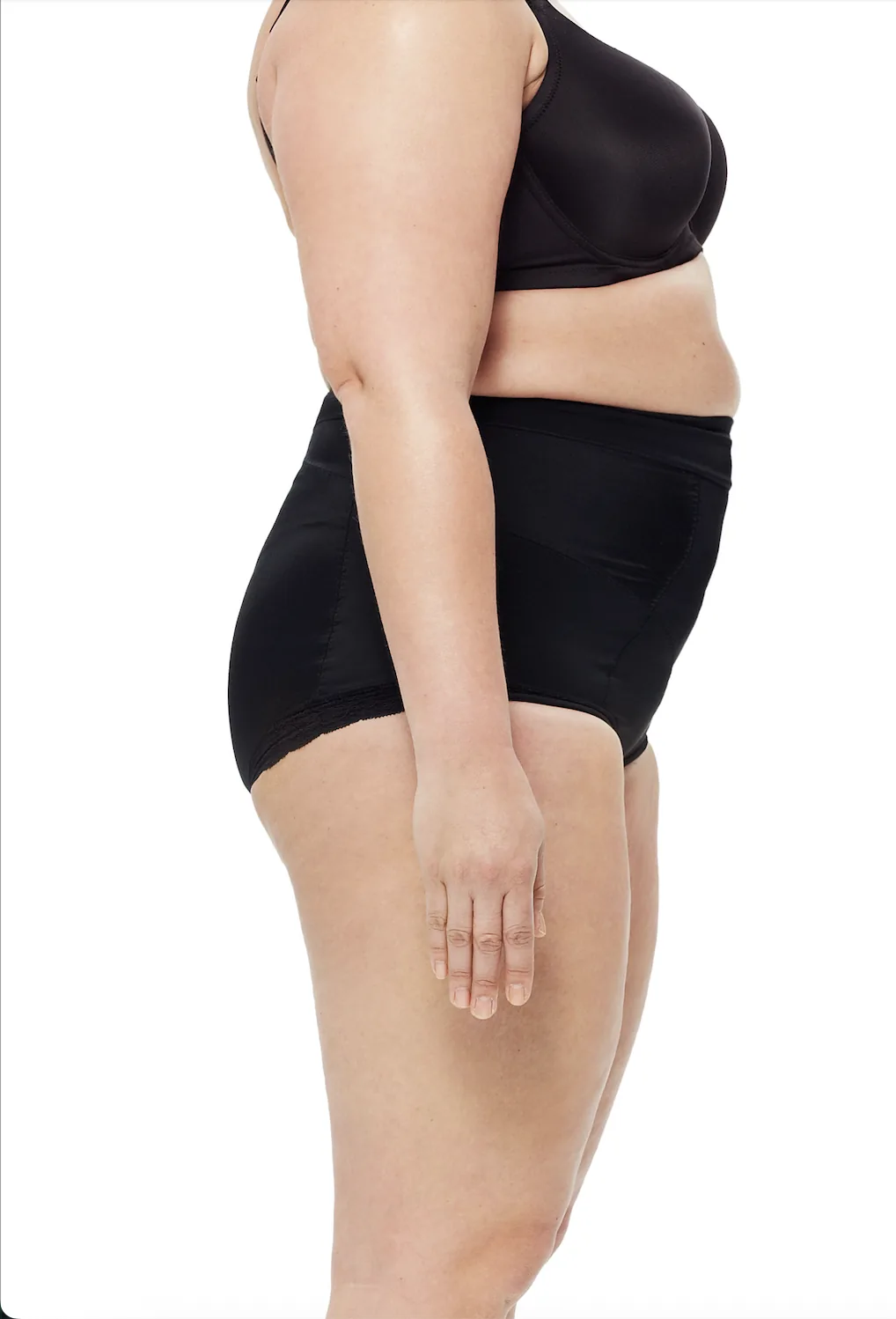
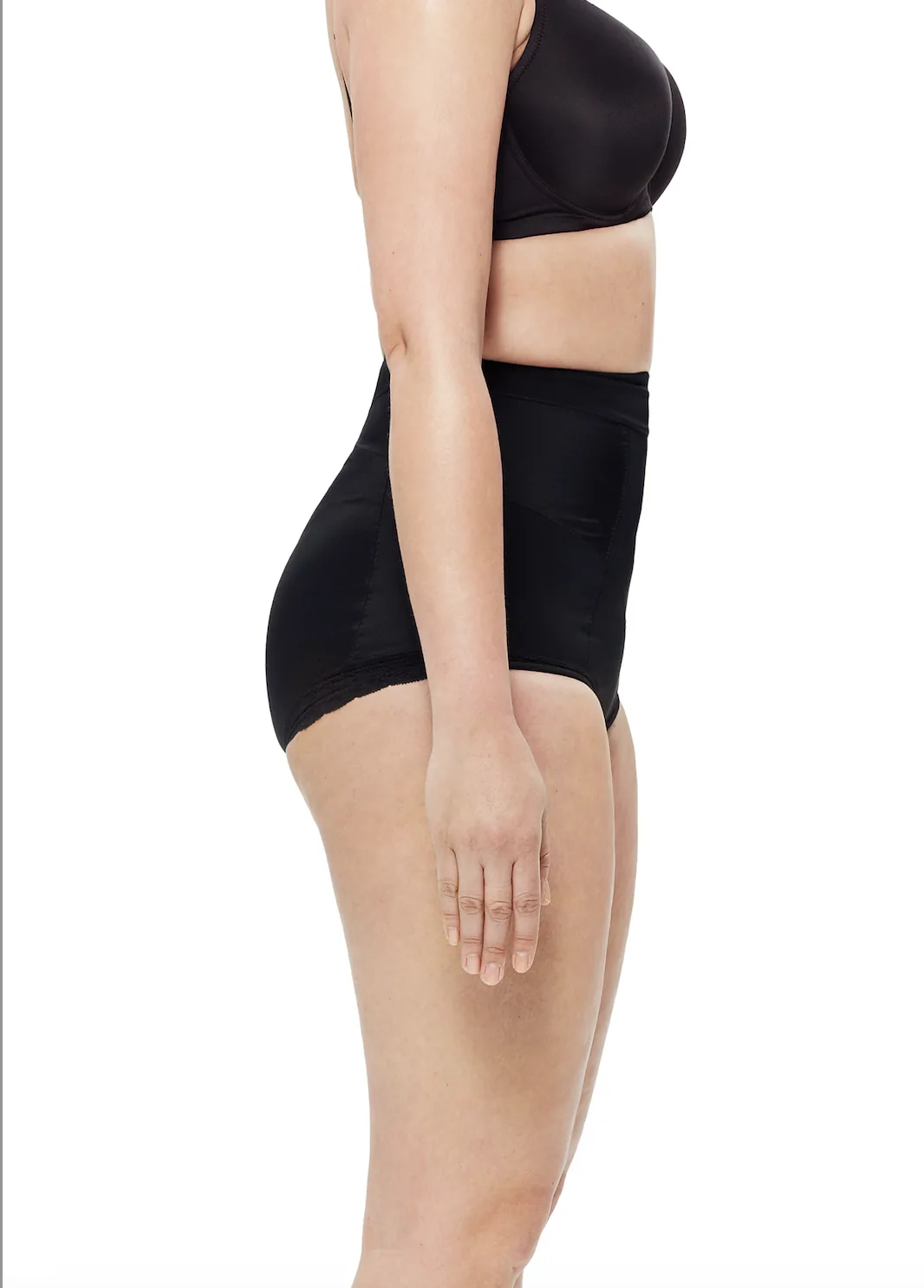
- Elastic bandages and a special liposuction compression garment are applied after the procedure.
Common treatment areas with Lipomatic include:
- Abdomen and waist
- Flanks (“love handles”)
- Hips and outer thighs
- Inner thighs and inner knees
- Back and bra line
- Arms
7. Postoperative Process, Stay in Istanbul and Follow-Up Visits
After surgery, the patient is monitored closely for the first few hours. Depending on the extent of the procedure:
- For small areas, same-day discharge is often possible,
- For larger or multiple treatment areas, an overnight hospital stay may be planned.
First Days:
- Swelling, tenderness, tightness and bruising in the treated areas are considered normal.
- Painkillers and anti-oedema medications prescribed by the surgeon are taken regularly.
- Short and frequent walks are important for supporting circulation and reducing clot risk.
Stay in Istanbul:
For patients coming from abroad or from other cities:
-
A stay of 3–7 days in Istanbul is generally recommended to allow for:
- The first postoperative check-up
- Dressing changes
- Compression garment adjustment
- Early phase monitoring
- Especially if long-distance flights are planned, the timing and conditions of travel are determined individually by the surgeon.
Return to Social Life:
- Most patients can resume light daily activities within a few days.
- For desk work, 5–7 days is usually sufficient
- For physically demanding jobs, a return after 2–3 weeks may be scheduled, depending on the nature of the work.
8. Compression Garment, Swelling, Bruising and Daily Life
Compression Garment:
-
After Lipomatic, compression garments play an important role in:
- Protecting the new contour,
- Reducing swelling,
- Helping the skin adapt to the underlying tissue.
- They are generally worn for 4–6 weeks—for most of the day in the initial weeks, and then gradually reduced.
- The duration and intensity of use are adjusted individually during follow-up visits.
Swelling and Bruising:
- These are more pronounced in the early days; swelling in the first week is especially normal.
- Bruising usually resolves significantly within 2–3 weeks.
- Complete resolution of swelling and full skin adaptation can take several months.
During this period, it is helpful to:
- Drink plenty of water,
- Reduce salt and processed foods,
- Support circulation with light walking.
Daily Life:
- For the first 1–2 weeks, it is advisable to avoid direct pressure on treated areas and to stay away from very tight, rigid clothing.
- Showering and personal care are gradually allowed according to the time frame set by your surgeon.
9. Possible Risks and Complications of Lipomatic
Although Lipomatic uses a different technical system, it is still part of the liposuction family and shares similar risks:
- Bleeding and infection
- Temporary or, rarely, permanent changes in sensation
- Surface irregularities, waviness or asymmetry
- Prolonged swelling, bruising and a feeling of hardness
- Scarring or wound-healing problems at incision sites
- Very rarely, systemic issues related to fat and fluid balance
- General surgical risks related to anaesthesia and medications
These risks are minimised through proper patient selection, an experienced surgeon, an appropriate surgical environment and strict adherence to postoperative recommendations. All potential complications are discussed transparently with the patient before surgery.
10. Lipomatic Results and Managing Expectations
With Lipomatic, the goals are to:
- Reduce localised fat excess,
- Make body lines slimmer, more balanced and more aesthetic,
- Provide a contour that helps the patient feel more comfortable and confident in clothing.
In the first weeks, swelling may cause the results to look different than expected.
- Noticeable slimming typically becomes more evident after 3–4 weeks.
- Final contour and skin adaptation usually stabilise within 3–6 months.
Lipomatic is not a substitute for dietary and lifestyle changes. The most long-lasting and satisfying results are seen in patients who:
- Maintain a stable weight after surgery,
- Are physically active,
- Sustain healthy eating habits.
11. Planning for International / Out-of-City Patients
(Stay in Istanbul)
For patients travelling to Istanbul for Lipomatic, the process is generally planned as follows:
Before Surgery:
- When possible, an online preliminary consultation is conducted for general assessment and Q&A.
- Required tests are organised either in Istanbul or in the patient’s home country/city, depending on their medical status.
Stay in Istanbul:
-
A stay of 3–7 days is usually recommended for:
- First postoperative check-up
- Dressing changes
- Compression garment adjustment
- Early phase follow-up
- Especially before long-haul flights, the risk of clots and circulation issues is taken into account and the return date is determined individually by the surgeon.
Follow-Up After Returning Home:
- The healing process can be monitored via online check-ups with photos and videos.
- Additional recommendations, medication adjustments or in-person follow-up visits can be arranged if needed.
- Since each patient’s needs are different, detailed planning is always done on a personalised basis.
12. Frequently Asked Questions About Lipomatic
What is the difference between Lipomatic and traditional liposuction?
Lipomatic uses a vibration (nutational) system to loosen and suction fat, while traditional liposuction is performed entirely with manual cannula movements. In some patients, Lipomatic can provide more homogeneous fat removal and a more comfortable working experience for the surgeon.
Is Lipomatic a weight-loss method?
No. Lipomatic is not performed for weight loss. It is a method for regional slimming and body contouring. The best results are achieved in patients who are close to their ideal weight but have stubborn localised fat deposits.
When will the results become clear?
Initial slimming is noticeable after about 3–4 weeks. Complete resolution of swelling and full skin adaptation can take 3–6 months.
Can fat return after the procedure?
The fat cells removed do not grow back; however, the remaining fat cells in the body can enlarge if you gain weight. Therefore, weight control and a balanced diet after surgery are important.
How is the decision made between traditional, Vaser, laser and Lipomatic techniques?
This decision is made after evaluating your body type, skin quality, amount of fat, contour goals and overall health. The most suitable method—or combination of methods—can vary from patient to patient and should always be chosen together with your surgeon after a detailed examination.
Real Stories, Real Results

Before and After Aesthetic Surgery: What You Need to Know for a Safe Journey
Read More

Can BBL and Tummy Tuck Surgery Be Performed at the Same Time?
Read More

Nose Aesthetics – Recovery Process: What Should You Pay Attention To?
Read More









Burun estetiği için Dr. Hasan Çelik'i tercih ettim ve bu kararımdan hiç pişman olmadım. Hem estetik hem de fonksiyonel olarak mükemmel bir sonuç elde ettim. İşlem süreci ve sonrası tamamen güven vericiydi.
SBeyza Ç.