Brief Information About Laser Liposuction
Type of Anaesthesia
Local or general anaesthesia.
Surgery Time
1-3 hours

Length of Hospital Stay
1 night.

Recommended Stay in Istanbul
3–7 days.

Return to Social Life
5–7 days.
What Is Laser Liposuction?
How Is It Different from Traditional Liposuction?
In Which Situations Is Laser Liposuction Preferred?
Who Is a Good Candidate for Laser Liposuction?
Preoperative Evaluation and Planning
How Is Laser Liposuction Performed? (Laser Energy and Treatment Areas)
Postoperative Process, Stay in Istanbul and Follow-Up Visits
Compression Garment, Swelling, Bruising and Daily Life
Possible Risks and Complications of Laser Liposuction
Laser Liposuction Results and Managing Expectations
Planning for International / Out-of-City Patients (Stay in Istanbul)
Frequently Asked Questions About Laser Liposuction
1. What Is Laser Liposuction?
Laser liposuction is a body contouring method based on the principles of traditional liposuction, but with an additional step in which laser energy is applied to the fat tissue before it is removed.
In this technique:
- Controlled laser energy is delivered to the fat tissue under the skin via a thin fibre,
- The laser energy makes the fat cells more liquefied,
- The liquefied fat is then removed from the body using thin cannulas and suction.
The aim is to reduce localised fat deposits while supporting skin and tissue adaptation and, in suitable patients, contributing to a relative tightening of the overlying skin.
Laser liposuction is not a weight-loss surgery; it is a method designed to reshape body contours.
2. How Is It Different from Traditional Liposuction?
The main difference between laser liposuction and traditional liposuction is the pre-treatment of fat tissue with laser energy.
- In traditional liposuction, fat is mechanically broken up and suctioned with cannulas.
- In laser liposuction, laser energy is first applied to make fat cells more liquefied, and then they are removed.
This may:
- Provide a more controlled working plane in some patients,
- Support some degree of skin tightening due to the heat effect beneath the skin (this effect varies from person to person),
- Allow smoother and more refined contouring especially in small to medium-sized treatment areas.
However, the most appropriate technique for each patient is determined after examination. Laser liposuction is not automatically necessary or advantageous for everyone.
3. In Which Situations Is Laser Liposuction Preferred?
Laser liposuction is generally considered in cases such as:
- Localised fat deposits that do not diminish despite diet and exercise
- Contour irregularities in the abdomen, waist, back, hips, thighs, inner knees or under the chin
- Desire for smoother body lines and a more “tightened”, slim appearance in clothing
- Small to medium areas where a tissue-friendly, controlled slimming is desired
- Suitable candidates in whom, together with fat removal, some degree of skin tightening is also desired
Laser liposuction can also be used as part of a combined body contouring plan with other procedures such as tummy tuck, BBL or thigh lift.
4. Who Is a Good Candidate for Laser Liposuction?
Good candidates typically are those who:
- Are in generally good health and suitable for surgery,
- Are not severely obese, but primarily have localised fat excess,
- Have reasonably preserved skin elasticity,
- Understand that this is a body contouring, not a weight-loss procedure,
- Are willing to wear their compression garment regularly and follow recommendations on movement and nutrition after surgery.
In cases of advanced obesity, uncontrolled chronic diseases, clotting disorders or significant heart–lung problems, surgery should not be planned without detailed evaluation.
The decision about which technique (traditional, Vaser, laser-assisted, etc.) is most appropriate is always made individually after examination.
5. Preoperative Evaluation and Planning
Before laser liposuction:
- The patient’s medical history, regular medications, previous surgeries and allergies are reviewed in detail.
- While the patient is standing, the distribution of fat, degree of skin laxity, presence of cellulite and skin quality are evaluated.
- The target areas, the degree of slimming desired and the realistically achievable results are discussed in clear and honest terms.
- Necessary blood tests, anaesthesia consultation and additional investigations are performed.
- Adjustments to blood-thinning medications, herbal supplements and smoking are planned before surgery.
This process aims to ensure both a safe operation and realistic expectation management.
6. How Is Laser Liposuction Performed?
(Laser Energy and Treatment Areas)
Laser liposuction is performed under local anaesthesia with sedation or under general anaesthesia, depending on the size and number of treatment areas.
Marking the Areas:
- Before surgery, while standing, the surgeon marks the regions where fat accumulation is most prominent.
Tumescent Solution:
- A special solution is injected into the treatment area to help reduce bleeding and control pain.
Laser Energy Phase:
- A thin laser fibre is introduced under the skin through very small incisions.
- Controlled laser energy is applied to loosen and liquefy fat cells.
- The heat generated by the laser can, in suitable patients, support a tightening response in the subcutaneous tissues.
Fat Removal:
- The liquefied fat is removed from the body via thin cannulas using suction.
- The surgeon targets natural, harmonious slimming, rather than completely emptying the area.
Closure and Compression:
- The tiny incisions are closed or arranged so that they can heal on their own.
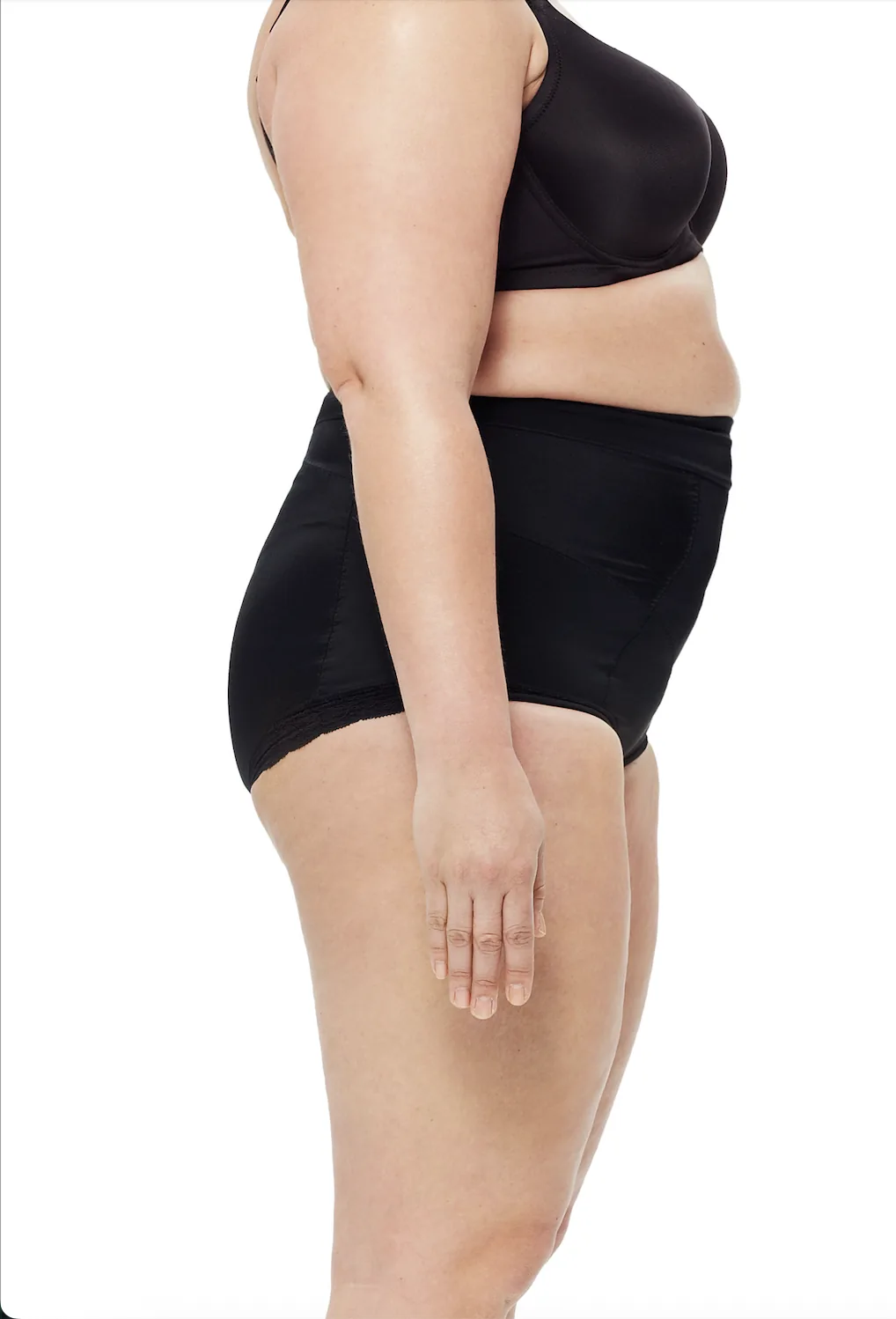
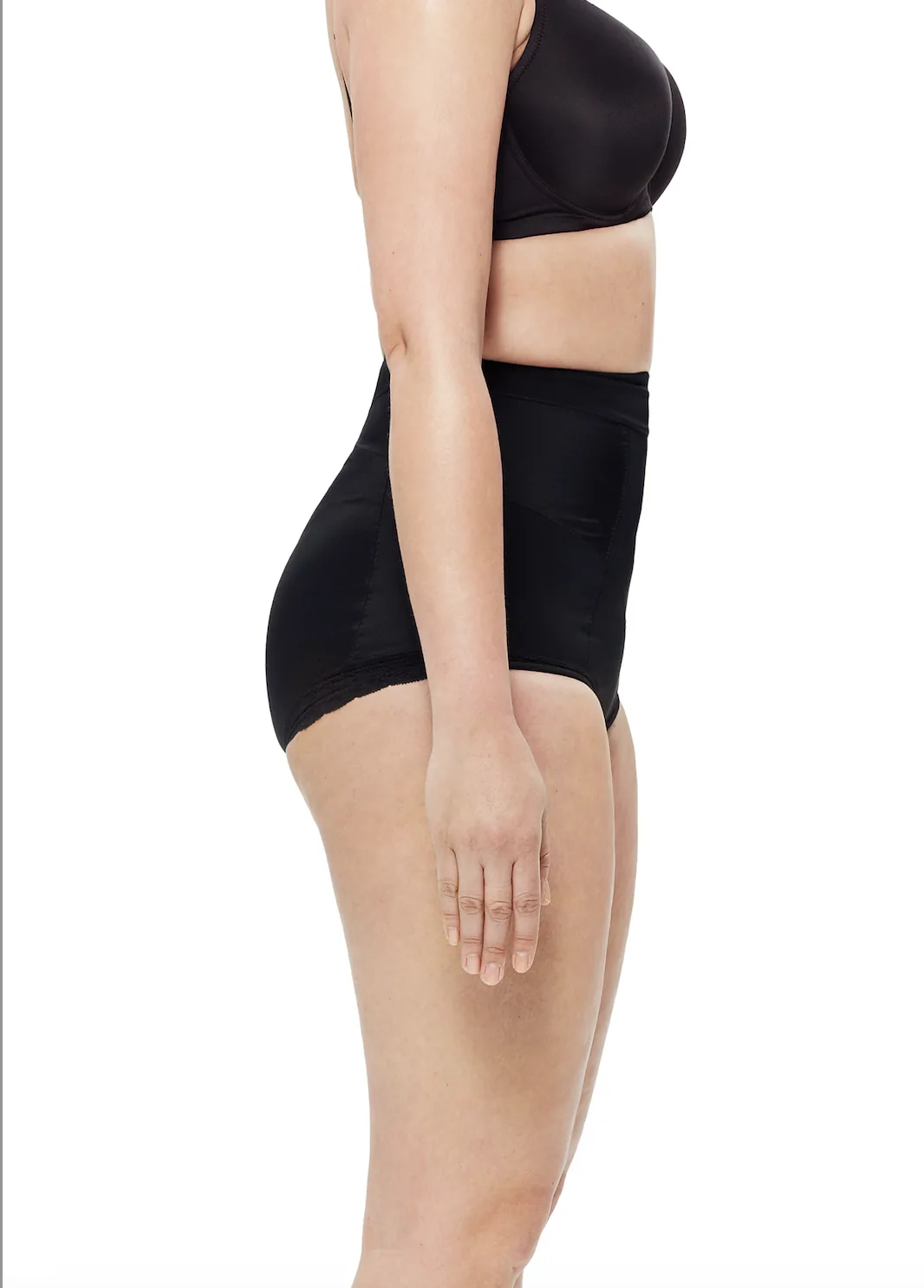
- Elastic bandages are applied and then a special liposuction compression garment is put on.
Laser liposuction is frequently performed in areas such as:
- Abdomen and waist
- Hips, inner and outer thighs
- Inner knees
- Back and bra line
- Under the chin (submental / double chin)
7. Postoperative Process, Stay in Istanbul and Follow-Up Visits
After surgery:
- The patient is observed for a short period; if the general condition is stable, discharge is usually on the same day or the following day.
- Discharge timing and follow-up schedule are personalised, depending on the size of the treated areas and the type of anaesthesia used.
First Days:
- Swelling, mild to moderate pain, bruising and a feeling of tightness in the treated areas are expected.
- Painkillers and other prescribed medications are taken regularly.
- Short walks are important to support circulation and reduce clot risk.
Stay in Istanbul:
For patients coming from abroad or from other cities:
-
A stay of 3–7 days in Istanbul is generally recommended for:
- The first postoperative check-up
- Dressing changes
- Compression garment adjustment
- Early phase follow-up
- Before long flights, especially regarding clot risk, the timing of travel is individually assessed by the surgeon.
Return to Social Life:
- In most cases, a few days are enough to resume light daily activities.
- Desk work can usually be resumed after 5–7 days.
- For physically demanding jobs, a return after about 2–3 weeks may be planned.
8. Compression Garment, Swelling, Bruising and Daily Life
Compression Garment:
-
After laser liposuction, a compression garment is crucial to help:
- Maintain the new shape,
- Control swelling,
- Support the skin in adapting to the new contour.
- It is usually worn for 4–6 weeks, for most of the day in the initial period and then gradually reduced.
- The exact type and duration of garment use are adjusted at follow-up visits according to the patient’s progress.
Swelling and Bruising:
- These are most pronounced in the first days and then typically improve.
- Bruising usually resolves significantly within 2–3 weeks.
- Full resolution of swelling and complete skin adaptation may take several months.
Helpful measures during this period include:
- Drinking plenty of water,
- Reducing salt and processed foods,
- Supporting blood circulation with gentle walks.
Daily Life:
- For the first 1–2 weeks, it is advisable to avoid direct pressure on treated areas and not to wear very tight clothing.
- Showering and personal care are gradually allowed in line with your doctor’s instructions.
9. Possible Risks and Complications of Laser Liposuction
As with any surgery, laser liposuction also carries certain risks, including:
- Bleeding and infection
- Temporary or, rarely, permanent changes in sensation
- Surface irregularities, waviness or asymmetry
- Prolonged swelling and bruising
- Wound separation or problematic scarring at incision sites
- Rarely, burns or skin injury related to the heat effect of the laser
- Systemic risks related to general anaesthesia or medications
Reducing these risks depends on proper patient selection, an experienced surgeon, appropriate equipment and strict adherence to postoperative instructions. All potential risks and scenarios are discussed in detail with the patient before surgery.
10. Laser Liposuction Results and Managing Expectations
With laser liposuction, the goals are to:
- Reduce localised fat deposits,
- Create slimmer, more balanced and aesthetically pleasing body contours,
- In suitable candidates, support better adaptation of the skin to the new contour.
In the first weeks, the result may look different due to swelling.
- Within 3–4 weeks, slimming and improved contour become more noticeable.
- Final results and full skin adaptation generally settle within 3–6 months.
Laser liposuction should not be viewed as a miraculous tightening method. Skin quality, age, weight status and genetics are key factors that influence the outcome.
The most satisfying results are seen in patients who:
- Have realistic expectations,
- Pay attention to weight control,
- Support their results with a healthy lifestyle.
11. Planning for International / Out-of-City Patients
(Stay in Istanbul)
For international or out-of-city patients planning laser liposuction in Istanbul, the process generally proceeds as follows:
Before Surgery:
- When possible, an online preliminary consultation is conducted for overall assessment and to answer questions.
- Required tests are organised either in Istanbul or in the patient’s home country/city, depending on timing and clinical needs.
Stay in Istanbul:
-
A stay of 3–7 days is usually recommended for:
- The first postoperative follow-up
- Dressing changes
- Compression garment adjustments
- Early phase monitoring
- Flight duration and suitability—especially for long-haul flights—are individually evaluated by the surgeon.
Follow-Up After Returning Home:
- Online follow-ups using photos and videos help evaluate the healing process.
- Additional recommendations or medication adjustments can be made if needed.
- Final planning is always personalised according to the patient’s health status and the extent of the procedure.
12. Frequently Asked Questions About Laser Liposuction
Is laser liposuction suitable for weight loss?
No. Laser liposuction is a regional slimming and contouring method, not a weight-loss treatment. It works best in patients who are close to their ideal weight but struggle with localised fat deposits.
Does laser liposuction completely tighten the skin?
In some patients with good skin quality, the heat effect of the laser can support skin tightening, but this effect varies from person to person. In severely sagging or very loose skin, laser liposuction alone may not provide the desired degree of tightening; additional surgical procedures may be needed.
Can fat return after the procedure?
The removed fat cells do not return; however, remaining fat cells can enlarge with weight gain. Therefore, healthy nutrition and weight control after surgery are essential.
When can I start exercising?
Gentle walking usually begins within the first few days. For moderate-to-intense exercise, most patients are advised to wait 3–6 weeks; the exact timing is determined by the surgeon during follow-up visits.
How is the choice made between laser liposuction and traditional liposuction?
This choice is based on the patient’s body type, skin quality, amount of fat, contour goals and overall health. The most appropriate technique – or combination of techniques – should be decided together with your surgeon after a detailed examination.
Real Stories, Real Results

Before and After Aesthetic Surgery: What You Need to Know for a Safe Journey
Read More

Can BBL and Tummy Tuck Surgery Be Performed at the Same Time?
Read More

Nose Aesthetics – Recovery Process: What Should You Pay Attention To?
Read More









Burun estetiği için Dr. Hasan Çelik'i tercih ettim ve bu kararımdan hiç pişman olmadım. Hem estetik hem de fonksiyonel olarak mükemmel bir sonuç elde ettim. İşlem süreci ve sonrası tamamen güven vericiydi.
SBeyza Ç.