Brief Information About Body Lift
Type of Anaesthesia
General anaesthesia
Surgery Time
5-7 hours

Length of Hospital Stay
2-3 nights

Recommended Stay in Istanbul
10-14 days

Return to Social Life
3-4 weeks
What Is a Body Lift?
In Which Situations Is a Body Lift Preferred?
Who Is a Suitable Candidate for a Body Lift?
Preoperative Evaluation and Planning
Which Areas Does a Body Lift Cover? (Abdomen, Waist, Back, Buttocks and Thighs)
How Is a Body Lift Performed? (Circumferential Tightening Concept)
Combination with Liposuction and Body Contour Shaping
The First Postoperative Days: Pain, Drains and Hospital Stay
Staying in Istanbul, Follow Ups and Returning Home
Compression Garment Use, Positioning, Swelling and Daily Life
Returning to Social Life, Work and Sports
Possible Risks and Complications in Body Lift Surgery
Results and Expectation Management
Frequently Asked Questions About Body Lift
1. What Is a Body Lift?
A body lift is a comprehensive body-contouring surgery performed to correct extensive sagging around the torso, especially after significant weight loss.
It generally involves:
- The front abdominal wall,
- The waist and back region,
- The buttock line,
- And often the outer and lateral thighs
being evaluated together, aiming for near 360° tightening and lifting.
The goal is not only to flatten the front of the abdomen, but to give the entire torso a tighter, more proportionate and lifted appearance from the front, side and back. It is a frequently used method especially in patients who have lost a large amount of weight after bariatric surgery (such as gastric sleeve or bypass).
2. In Which Situations Is a Body Lift Preferred?
A body lift is generally preferred in:
- Patients who have lost a large amount of weight after bariatric procedures (gastric sleeve, gastric balloon, etc.),
-
After weight loss, when there is marked excess skin and sagging around the torso:
- On the front of the abdomen,
- Along the waistline,
- On the back,
- Around the buttocks and outer thighs,
- When there is persistent looseness and skin folds around the waist–hip–thigh region that cannot be corrected by clothing choice,
- When the laxity is too extensive for a classic tummy tuck alone to be sufficient,
- When the aim is to tighten not just one area of the torso, but the entire lower trunk in a holistic manner.
A body lift is most often one of the contouring steps in post-bariatric body reshaping; in some patients it can also be integrated into a broader plan including upper body procedures (arms, upper back, breasts).
3. Who Is a Suitable Candidate for a Body Lift?
In general, suitable candidates are those who:
- Have lost a significant amount of weight,
- Have reached a relatively stable weight (ideally with no major fluctuations in the last 6–12 months),
- Have extensive excess skin and sagging around the torso,
- Are in a general state of health suitable for surgery,
- Have realistic expectations regarding scars, recovery and postoperative restrictions,
- Can allocate sufficient time for postoperative recovery and are able to comply with the recommended compression garment use and movement plan.
In patients planning pregnancy in the near future, the timing of this extensive surgery involving the abdomen and lower body must be carefully evaluated with the surgeon.
4. Preoperative Evaluation and Planning
Before a body lift:
- The patient’s medical history, bariatric surgery history (if any), weight-loss process, chronic diseases, current medications and allergies are evaluated in detail.
-
The abdomen, waist, back, buttocks and thigh areas are examined while standing:
- Amount of excess skin,
- Direction of sagging (downwards, towards the sides),
- Areas of fat accumulation,
- Skin quality are analysed.
- Where necessary, nutrition and vitamin–mineral levels are checked to ensure they are appropriate for the bariatric history.
-
The incision line and possible scars on the body –
- Along the bikini/underwear line,
- Across the upper buttocks and back – are explained in detail using drawings or visual examples.
- Required blood tests, anaesthesia assessment and additional investigations are completed.
- A plan is made to discontinue or adjust blood-thinning medications, certain herbal products and smoking before surgery.
The aim is both to create a safe surgical environment and to provide a transparent, realistic framework regarding the potential results.
5. Which Areas Does a Body Lift Cover?
(Abdomen, Waist, Back, Buttocks and Thighs)
A body lift generally includes:
Front abdominal wall
- Removal of a large portion of the sagging skin and stretch marks,
- Repair of any separation between the abdominal muscles (diastasis), if present.
Waist and flanks
- Tightening of excess skin and fat at the flanks,
- Efforts to make the waist indentation more pronounced.
Lower back
- Removal of excess skin and fat from the lower back to lift and smooth the back contour.
Buttocks and outer thighs
- Slight elevation (lifting) of the buttock line,
- Tightening of sagging skin on the outer thighs.
The extent to which each area is corrected is tailored to the patient’s needs and the surgeon’s plan.
6. How Is a Body Lift Performed?
(Circumferential Tightening Concept)
A body lift is a circumferential lifting procedure performed under general anaesthesia.
In summary:
Circumferential incision planning
- A “belt” or “band-like” incision line is planned encircling the torso;
- This line starts along the bikini line at the front, continues over the flanks and extends across the back.
Front abdominal wall
- The navel is released, and the abdominal skin is lifted towards the rib cage.
- If necessary, the separation between the abdominal muscles is repaired and the abdominal wall is reinforced.
- Excess skin and fat are removed, and the navel is brought out through an appropriate new position.
Flanks, back, buttock–thigh junction
- As the incision continues across the back, excess skin and fat from the lower back can be removed.
- The buttock line and outer thighs are lifted upwards to achieve a more compact appearance from the back and sides.
Closure, drains and compression garment
- The entire incision line is closed with aesthetic suturing techniques.
- In most cases, multiple drains are placed around the torso to remove fluid collections.
- At the end of the operation, a special compression garment that wraps the lower torso is put on the patient.
In many cases, a body lift is combined with liposuction, so that not only excess skin is removed but also volumetric slimming is achieved.
7. Combination with Liposuction and Body Contour Shaping
During a body lift, liposuction may be applied to the abdomen, waist, back, buttocks and outer thighs to:
- Thin out thick fat layers,
- Further define the waistline,
- Create a smoother transition between the buttocks and thighs.
The goal is not only to remove skin, but to make the body lines as natural, proportional and aesthetic as possible.
The liposuction technique used (classic, Vaser, etc.) is chosen according to the patient’s body type and the surgeon’s preference.
8. The First Postoperative Days: Pain, Drains and Hospital Stay
In the first few days:
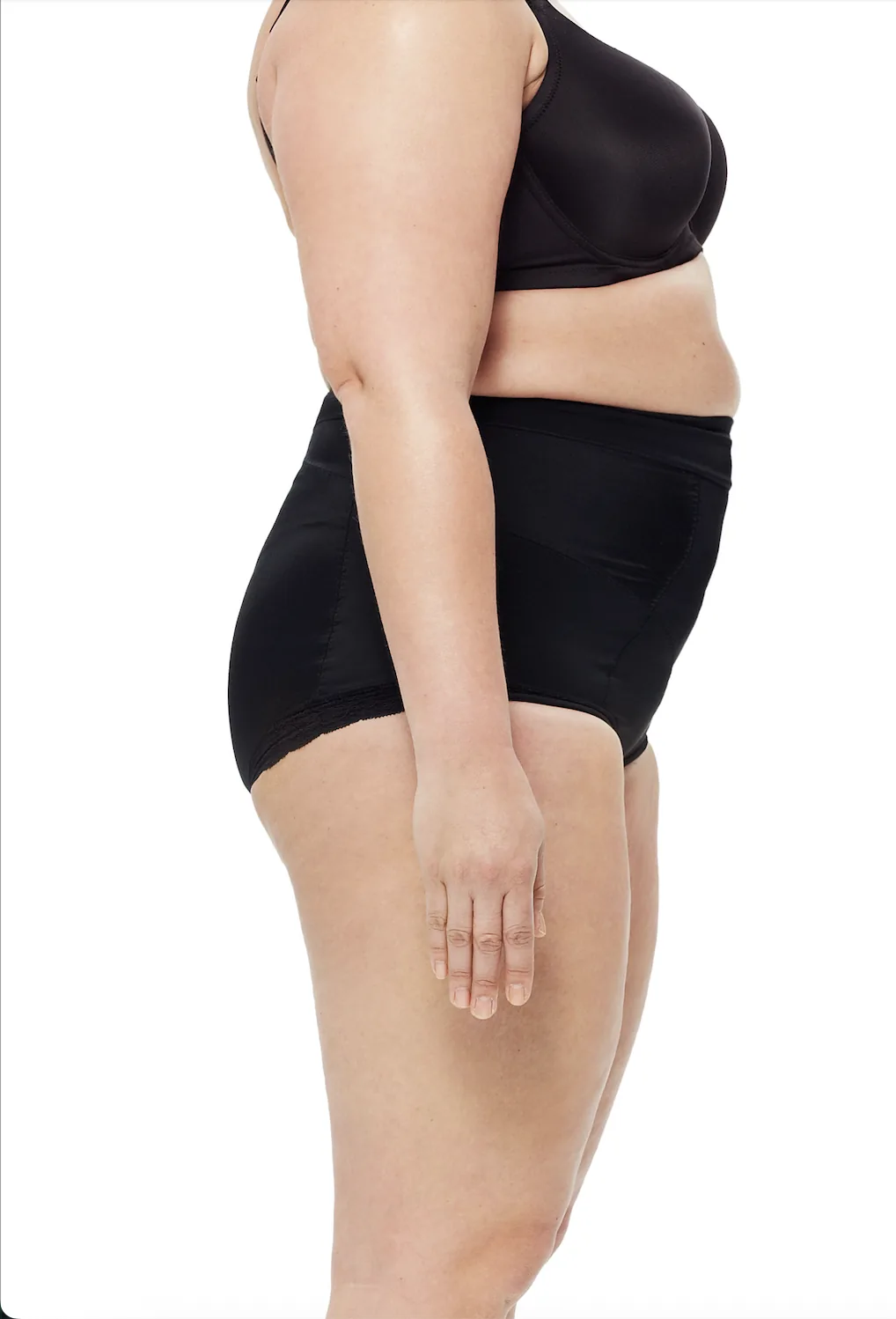
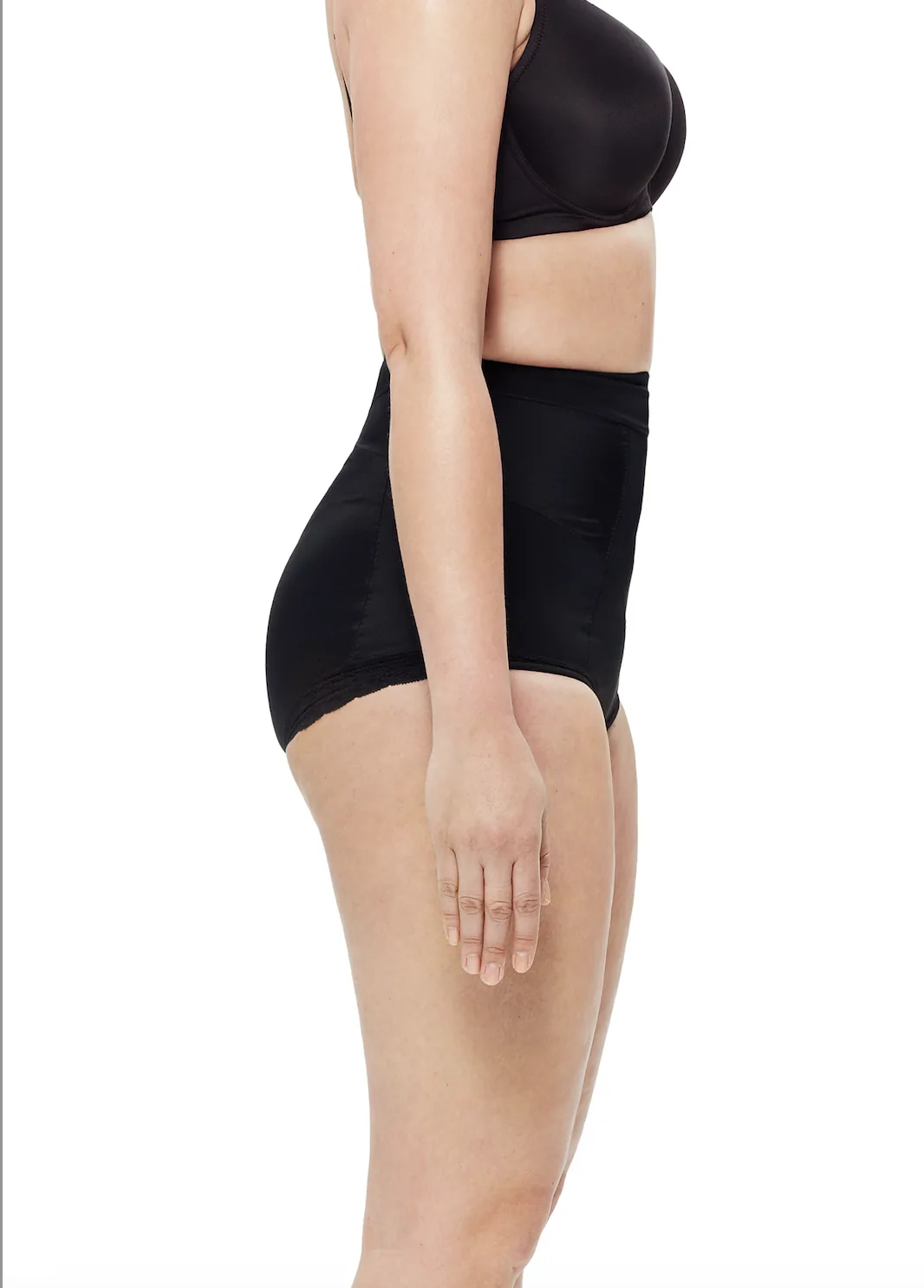
- The patient wakes up wearing a compression garment that wraps the torso.
- Tightness and pulling sensations in the abdomen, waist, back and buttock line are normal.
- There may be tenderness along the incision line, difficulty when sitting up and standing, and pain during position changes.
In most patients:
- Multiple drains are present; these help remove fluid that may accumulate inside.
-
In the first 24–48 hours:
- Assistance from nurses and the medical team is important during position changes in bed,
- For the first attempts at standing and walking.
Typically, staying in hospital for 2 nights – and in some cases 3 nights – is preferred for both comfort and safe monitoring.
9. Staying in Istanbul, Follow Ups and Returning Home
For patients coming from abroad or another city:
-
It is usually recommended to stay in Istanbul for 10–14 days to allow for:
- Removal of drains (if used),
- Assessment of the incision line,
- Clarification of compression garment use and movement recommendations,
- Close monitoring of early healing.
During this period, the patient receives detailed explanations regarding:
- Wound care and dressings,
- Shower and hygiene,
- Positions for lying down, getting up and sitting,
- How much walking is safe,
- Which symptoms require urgent medical contact.
Before long-haul flights, the flight timing and in-flight precautions (walking breaks, water intake, leg exercises, etc.) are planned with the surgeon, taking into account the risk of blood clots and prolonged sitting.
10. Compression Garment Use, Positioning, Swelling and Daily Life
Compression garment
After a body lift, the compression garment:
- Helps control swelling,
- Promotes adaptation of the skin to the underlying tissues,
- Assists in maintaining the new silhouette.
In most patients it is used for 6–8 weeks:
- For the majority of the day in the early weeks,
- Then gradually reduced over time.
Positioning
- Walking slightly bent forward is normal in the early days; this reduces tension on the incision line.
- Lying position usually requires slightly bent knees and a slightly elevated upper body.
- At each follow up, the surgeon gradually guides the patient towards a more upright posture and greater freedom of movement.
Swelling and bruising
- Pronounced swelling and bruising may be seen in the first 1–2 weeks.
- Swelling decreases significantly and bruises begin to fade over 3–4 weeks.
- It can take several months for the body to fully adapt to its new shape and for the skin to settle completely.
11. Returning to Social Life, Work and Sports
At home
- Having help at home in the first days is very valuable.
- Patience and a gradual approach are important, especially for childcare, heavy housework, prolonged standing and tasks that require bending.
Return to work
- For desk-based jobs, a return to work is usually planned around 3–4 weeks after surgery.
- For jobs requiring physical effort, a 6–8 week recovery period may be necessary, depending on the workload.
Return to sports
- Light and short walks are encouraged from the early days, within the limits recommended by the surgeon.
- For exercises that heavily strain the lower body muscles, and for jumping, running and weight-bearing activities, a waiting period of 8–12 weeks is generally required.
The exact timing and intensity are determined during follow up visits based on the individual healing rate.
12. Possible Risks and Complications in Body Lift Surgery
A body lift covers large areas and is considered a major surgical procedure. Therefore, it carries risks such as:
- Bleeding, infection
- Delayed wound healing, wound dehiscence (opening of the incision)
- Fluid accumulation (seroma)
- Wound problems along the skin edges due to circulation issues
- Asymmetry or contour irregularities
- Temporary or more prolonged changes in sensation (abdomen, waist, back, buttock region)
- Scars that are more pronounced than expected
- General surgical risks such as blood clots (deep vein thrombosis) and pulmonary embolism
These risks are minimised as far as possible through proper patient selection, thorough preoperative preparation, an experienced surgeon and team, suitable hospital conditions and strict adherence to postoperative recommendations. All potential situations are shared transparently with the patient before surgery.
13. Results and Expectation Management
With a body lift, the goals are to achieve:
- A flatter, firmer front abdominal wall,
- A tighter, lifted and smoother waist and back line,
- Smoother and more proportional outer thighs and hips,
- And an overall tightened body contour from the front, side and back.
In the first weeks, due to swelling, tightness and limited movement, the results may look different from the final outcome.
- The body contour begins to become more clearly visible within 6–8 weeks.
- Scar maturation, skin adaptation and adjustment of body image to the new form require a 6–12 month process.
The most satisfying results are seen in patients who:
- Have realistic expectations,
- Maintain stable body weight,
- Reduce or stop smoking,
- Attend follow ups regularly,
- And consistently follow the surgeon’s postoperative recommendations.
14. Frequently Asked Questions About Body Lift
Is a body lift a weight-loss surgery?
No. A body lift is a contouring procedure performed to correct sagging and excess skin after major weight loss. The weight-loss process should usually be completed before this surgery.
Where will the scars be?
The incision line encircles the torso like a belt:
- At the front, along the bikini line,
- At the sides, over the waistline,
- At the back, across the lower back.
These scars fade and mature over time, but do not disappear completely. Planning is done so that they can be concealed within the underwear/swimwear line as much as possible.
Can sagging recur?
Ageing, gravity, weight fluctuations and lifestyle can affect body shape in the long term. With healthy eating, regular physical activity and weight control, body lift results can be maintained for many years.
How long will it take before I feel “normal” again after this surgery?
The first weeks are more restricted; daily life becomes much more comfortable in about 4–6 weeks. Fully “getting used to your new body” and scar maturation, however, can take several months.
Real Stories, Real Results

Before and After Aesthetic Surgery: What You Need to Know for a Safe Journey
Read More

Can BBL and Tummy Tuck Surgery Be Performed at the Same Time?
Read More

Nose Aesthetics – Recovery Process: What Should You Pay Attention To?
Read More









Burun estetiği için Dr. Hasan Çelik'i tercih ettim ve bu kararımdan hiç pişman olmadım. Hem estetik hem de fonksiyonel olarak mükemmel bir sonuç elde ettim. İşlem süreci ve sonrası tamamen güven vericiydi.
SBeyza Ç.